- Singapore's Fire Safety Act requires buildings to maintain fire safety measures and hold a valid Fire Safety Certificate issued by SCDF.
- All fire protection systems, sprinklers, fire alarm panels, hose reels, and emergency lighting, must be inspected and tested at regular intervals.
- Clear, unobstructed means of escape (MOE) and properly signed emergency exits are non-negotiable legal requirements.
- Fire safety equipment maintenance contracts must be awarded to registered contractors with valid SCDF licences.
- Annual fire drills and resident/occupant fire safety education are essential components of a building's fire safety management programme.
Last Updated On: 02 Apr 2026
Fire safety is something many people only think about when they see a fire alarm test or a news headline about an emergency. But in reality, keeping a property safe is an everyday responsibility. Fires can happen in homes, offices, condominiums, shops and industrial buildings. This is why having a simple and practical routine matters.
A fire safety inspection checklist can guide you and help you spot risks before they grow into something dangerous. It is not only for building managers. It is useful for tenants, employees, homeowners, and business owners.
In this guide, you will learn everything you need to know about inspections, common hazards, preventive habits and how to maintain a safe environment throughout the year.
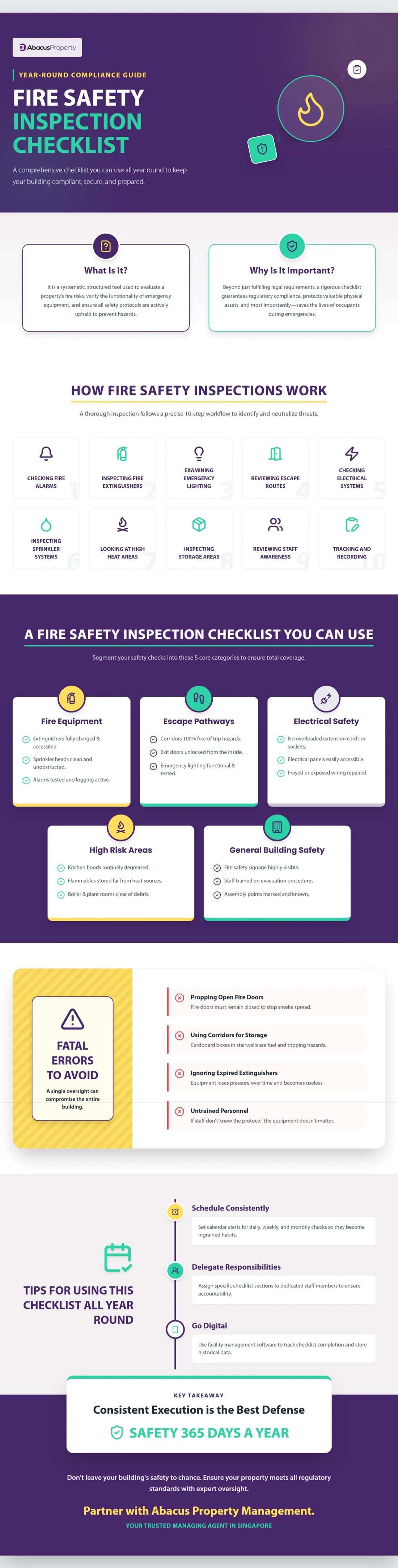
What Is a Fire Safety Inspection Checklist?
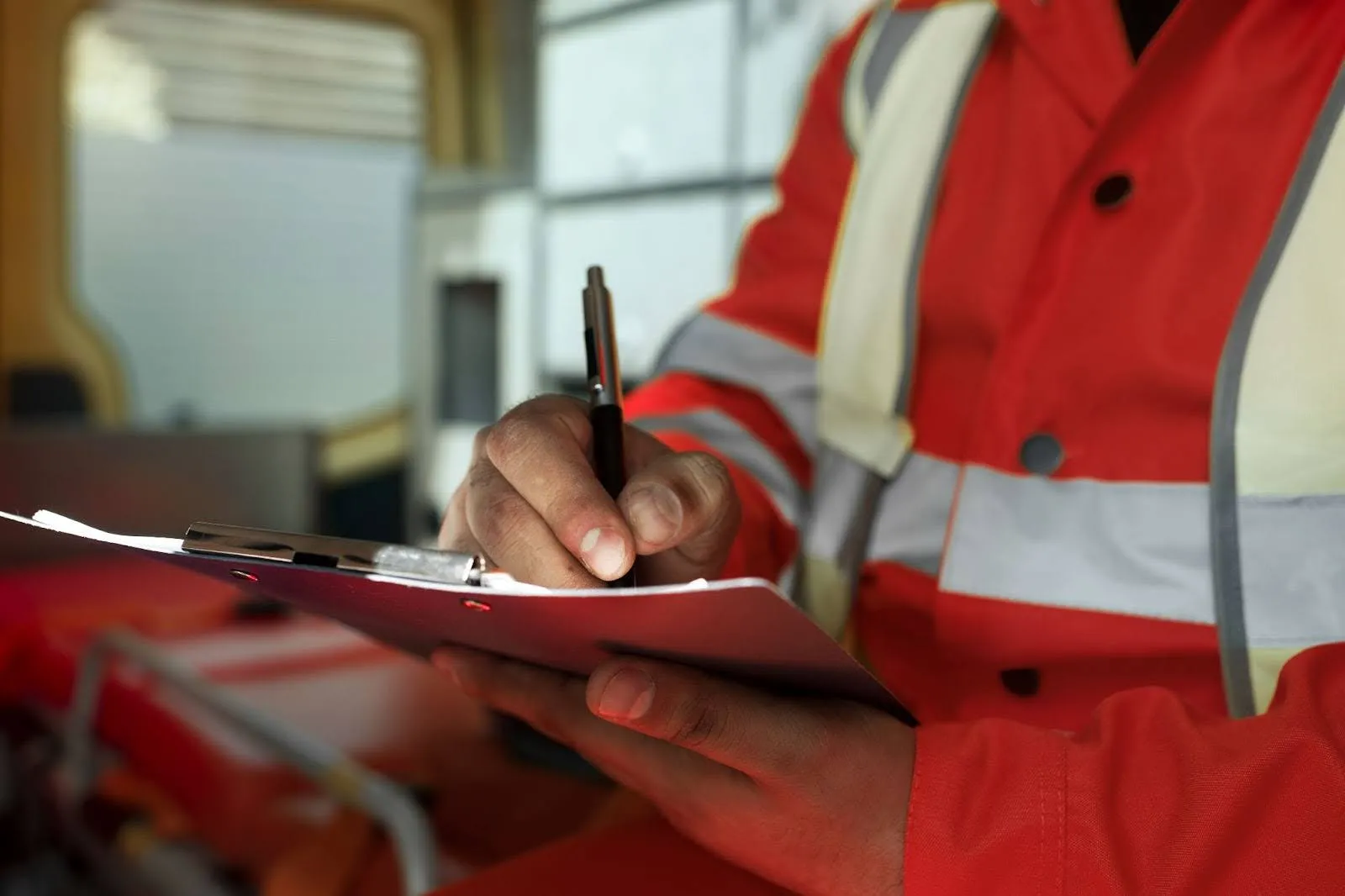
A fire safety inspection checklist is a simple tool that helps you walk through important areas of your building to ensure that everything is safe, clear and working properly. It lists the places, systems and items you should inspect to reduce fire risks. It also helps you stay organised because you can keep track of what has been checked and what needs to be fixed. This makes the process easier and prevents you from missing important details.
Many organisations use this type of checklist as part of their regular maintenance routine. It supports compliance with safety laws and keeps buildings in good condition. It also helps you prevent accidents before they happen. When you follow a checklist, you are more likely to notice hazards like damaged wiring, blocked doors or expired fire extinguishers. A checklist also makes it easier to assign tasks to staff members and follow up on actions that need repair or replacement.
Why a Fire Safety Inspection Checklist Is Important
A short introduction: using a checklist makes fire safety simple, consistent and effective.
- Helps identify hazards early: You can spot electrical issues, clutter and damaged equipment before they lead to danger.
- Keeps your building safe: Regular checks prevent small problems from turning into emergencies.
- Ensures equipment works: You can confirm that alarms, sprinklers and extinguishers function properly.
- Supports emergency planning: Inspections help you maintain clear escape routes at all times.
- Protects property and people: A safe building gives tenants and employees confidence.
- Keeps you compliant: Many safety standards require inspections so this helps you meet the rules.
How Fire Safety Inspections Work
Here’s how inspections operate in real life and what you should check throughout the year.
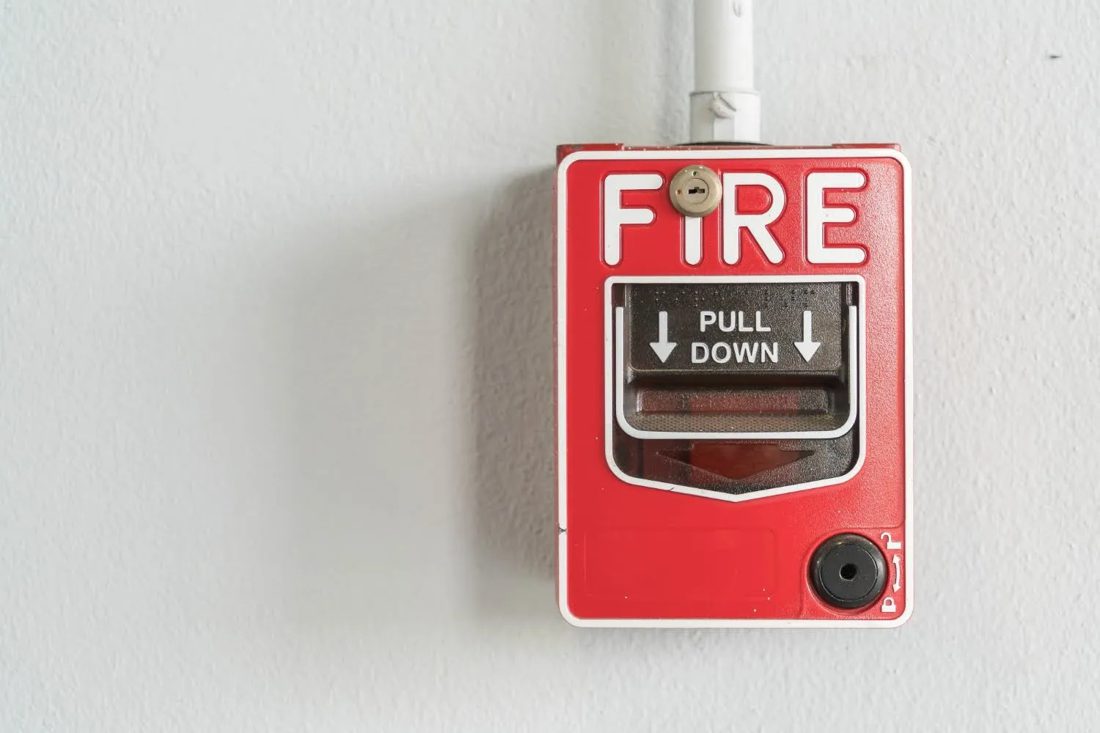
1. Checking Fire Alarms
Fire alarms are the first line of defence because they alert people quickly when something goes wrong. During an inspection, you test the alarms to make sure they sound properly and reach all areas of the building. You also check if the system has any error lights or signs of malfunction. If you find issues, you record them and arrange for repair.
Alarms should also be free from dust and obstructions because blocked sensors may fail to detect smoke. If your building uses a centralised system, you also ensure that alerts reach the correct control panel. Regular testing prevents false alarms and ensures a fast response during emergencies.
2. Inspecting Fire Extinguishers
Fire extinguishers must always be easy to access. During inspections, you confirm that nothing blocks them and that they remain mounted in the correct place. You also check the pressure gauge to ensure it is still within the safe range. If the extinguisher is expired or damaged, you note it down and request a replacement.
You also ensure that extinguishers match the hazards in the area. For example, offices need a different type compared to kitchens or workshops. Clear labels, proper training and regular checks help people use them correctly when needed.
3. Examining Emergency Lighting
Emergency lights guide people when there is smoke or a power cut. You test these lights to ensure they turn on automatically and remain bright enough to support safe evacuation.
You also check the batteries and wiring to confirm everything is in good working order.
You should also verify that lights cover all stairwells, corridors and exits. A well lit path keeps people calm during emergencies. Regular inspections also help you identify lights that are flickering or broken so they can be replaced quickly.
4. Reviewing Escape Routes
Escape routes must always remain clear. During your inspection, you walk through all corridors, staircases and exit doors to check for blocked paths, clutter or damaged flooring. Anything that slows people down must be removed. This is important because seconds matter during an evacuation.
You also test the emergency doors to ensure they open easily from the inside. Signs must be visible and free from dirt. Clear pathways help reduce panic and ensure everyone can exit safely during an emergency.
5. Checking Electrical Systems
Many fires start due to faulty wiring or overloaded sockets. An inspection includes checking for damaged cables, overheating appliances or plugs that appear loose. You also review whether people use extension cords correctly and avoid overcrowding them.
It is also helpful to remind your team to unplug devices when not in use. Scheduled checks keep electrical systems safe and reduce the risk of sparks or short circuits that could start a fire unexpectedly.
6. Inspecting Sprinkler Systems
Sprinklers help control fires early. During an inspection, you check the pipes and sprinkler heads for dust, rust or blockages. You also ensure they have enough space around them because items placed too close can prevent proper water flow. If you find problems, you report them for maintenance.
You may also check the water supply and valves. Some systems rely on automatic activation while others need specific pressure levels. Regular checks guarantee the system activates correctly during emergencies.
7. Looking at Kitchens and High Heat Areas
If your building has a kitchen, this area requires careful inspection. You check for grease buildup, faulty stoves or damaged gas lines. You also make sure fire blankets and extinguishers are within reach. Cleanliness and proper ventilation reduce the risk of fires caused by cooking.
You also confirm that staff know safe cooking methods. High-heat areas require extra attention because a small mistake can cause a dangerous situation. Regular checks keep equipment safe and reduce the chance of sudden flare-ups.
8. Inspecting Storage Areas
Storage rooms can become fire hazards when clutter builds up. During inspections, you check shelves, aisles and stored materials to ensure everything is organised. You also make sure items do not block sprinklers or vents. Proper storage also reduces the amount of fuel available if a fire starts.
You also verify that flammable items are stored separately. Keeping things tidy makes it easier to spot risks early and prevent accidents caused by poor organisation.
9. Reviewing Staff Awareness
Even the best fire equipment is useless if people do not know what to do. During an inspection, you check if safety posters, instructions and evacuation maps are displayed clearly. You also confirm that new staff receive proper fire safety training.
Regular reminders help everyone stay alert. When people understand what to do, they respond faster and stay calm. This improves overall safety and prevents confusion during emergencies.
10. Tracking and Recording Inspections
Good fire safety requires accurate records. After each inspection, you update your log sheet with the date, findings and actions needed. This helps you follow up on repairs and ensure nothing gets forgotten. A record also shows that you are taking safety seriously.
Tracking inspections also helps with long-term planning. You can see patterns, such as equipment that needs frequent repair. This makes budgeting easier and guides future maintenance decisions. Many property teams include fire checks as part of their larger facility maintenance checklist to keep things organised.
A Fire Safety Inspection Checklist You Can Use
Below is a simple checklist you can follow every month. You can print it or save it in your building files. This checklist is helpful for day-to-day inspections and supports your larger building maintenance inspection schedule
Fire Equipment
- Alarms tested and working
- Extinguishers are accessible and not expired
- Sprinklers are clean and unobstructed
- Emergency lights operational
Escape Pathways
- Exit routes clear
- Doors open easily
- Signs visible
- No clutter
Electrical Safety
- No damaged cables
- No overloaded sockets
- Appliances in good condition
- Switches functioning
High Risk Areas
- Kitchens clean
- Fire blankets present
- Proper ventilation
- No grease buildup
General Building Safety
- Storage areas tidy
- Flammable items stored safely
- Vents unobstructed
- Safety instructions displayed
Some modern sites also use AI in property management to automate reminders and track reports more efficiently.
Tips for Using This Checklist All Year Round
A short introduction: staying consistent is the key to maintaining a safe building.
- Assign a responsible team member: Choose someone who performs checks regularly and understands the building.
- Create a monthly routine: A fixed schedule ensures inspections are not forgotten and problems are found early.
- Follow up on repairs: Record issues and make sure they are fixed quickly.
- Educate everyone: Make sure your staff or tenants understand basic fire safety habits.
- Keep areas tidy: Neat spaces reduce the risk of fire and make inspections easier.
- Use technology when possible: Digital tools can help you track tasks and send reminders.
Conclusion on Fire Safety Inspection Checklist
Fire safety does not need to feel complicated. With the right habits, consistent checks and a simple fire safety inspection checklist, you can keep your building safe throughout the year. Inspections protect people, prevent accidents and support a healthy building environment. When you stay alert and organised, you reduce risks and create a safer space for everyone.
At Abacus Property, we understand the importance of safety in every building. Our team is here to support your inspection routines and long-term maintenance needs. If you need help improving building safety or property management standards, contact us, and we will be happy to guide you.